When Sweat Makes Your Waistband Slip and Chafe: The Late-Summer Fix
Quick Answer: Sweat defeats waistbands two ways at once: it lubricates the band-to-skin interface so friction stops holding the band in place, and it makes fabric heavier so gravity gets a better grip. A band that slips then rubs the same strip of damp skin over and over, which is where the raw chafe line comes from. The fixes: a wide band in a wicking fabric with strong recovery, an honest size rather than a hopeful one, a drawcord for high-output days, anti-chafe balm on the hip line, and washing after every sweaty wear so salt residue never builds.
Dry friction is what holds a waistband up. Sweat is a lubricant. That is the entire physics of your annoying run.

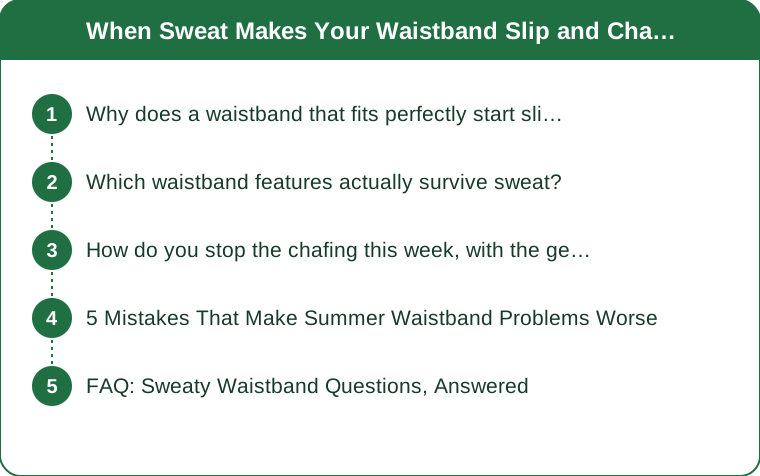
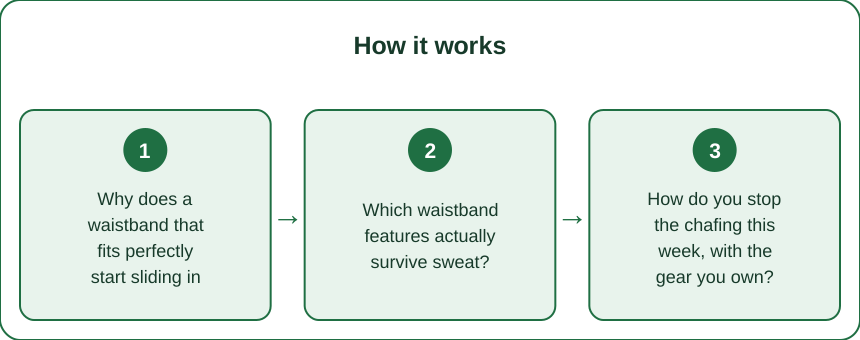
Why does a waistband that fits perfectly start sliding in August?
Because the thing holding it up was friction, and you just lubricated it.
A waistband stays put through two forces: elastic tension squeezing inward, and friction between fabric and skin. Tension alone is never enough — if it were, bands would need to be uncomfortably tight. Friction does the quiet majority of the work, and friction between dry fabric and dry skin is several times higher than between wet fabric and wet skin.
Sweat also adds weight. A soaked pair of leggings carries meaningfully more mass than a dry one, especially in thick or cotton-blend fabrics that hold water instead of moving it. More weight pulling down, less friction holding on — the band slides.
Then the chafe cycle starts. A sliding band travels over the same strip of skin with every stride. Damp skin is softer and more fragile than dry skin, and salt crystals from dried sweat act like fine grit. Slide plus damp plus salt is the full recipe for the raw pink line across your hip bones that shows up in humid weeks and vanishes in October.
Body geography decides where it hits. Bands sitting at the natural waist have a shelf to rest on; bands sitting lower ride the widest, most mobile zone, where every twist works them downward.
And aging elastic quietly makes everything worse. A band that has lost recovery to dryer heat needed all the friction it could get. Summer removes the friction, and suddenly a two-year-old favorite pair cannot hold through a warm-up.
Which waistband features actually survive sweat?
Width, wicking, recovery, and a drawcord. The features are boring and they work.
A wide band spreads the load. More surface area means more total friction at lower pressure per inch, so the band neither digs nor depends on any single line of grip. A four-inch band on high-waisted leggings holds through a soaked run that would send a narrow band to your hips.
Wicking fabric keeps the interface drier. Technical knits move sweat outward to evaporate; cotton-heavy blends store it against your skin. The dry-feeling band keeps its friction — this is why gym-fabric bands outlast loungewear bands on humid days even at identical tightness.
High elastane content with real recovery keeps tension constant. A band that stretches and snaps back fully maintains its inward squeeze as you move and swell with heat. Check recovery in your hands: stretch hard, watch it return. Slow return in the store means sliding on the trail.
A drawcord converts a marginal day into a locked one. On long runs, plyometrics, or the most humid mornings, a light internal cord takes over the job sweat took from friction. It is the single most reliable anti-slip feature that exists, which is why serious running bottoms almost all have one.
The right size beats the smaller size. Sizing down raises pressure but also raises the rolling force and concentrates rubbing on a narrower line — tighter bands chafe worse when wet, not less. In well-made buttery-soft leggings, the correct size with a wide band outlasts the downsized pair by an entire workout.
Texture helps at the margin. Brushed or matte interior finishes grip damp skin slightly better than slick shiny ones; some running shorts add silicone strips for exactly this reason.

How do you stop the chafing this week, with the gear you own?
Lubricate the skin, dry the interface, and change what you can cheaply.
Put anti-chafe balm on the hip line before sweaty sessions. This sounds backwards — adding lubricant to a friction problem — but it works because it changes the failure mode: the band may still micro-slide, but it glides over protected skin instead of dragging bare damp skin with it. Balm on skin, never on the fabric. A plain stick lasts months and costs less than one replacement pair.
Start dry. Put leggings on fully dry skin — post-shower dampness plus humidity means the interface is compromised before you leave the house. A minute with a towel and a moment in front of the fan is real prevention.
Wash after every sweaty wear, cold, no softener. Dried sweat leaves salt in the band that stiffens fabric and sands skin, and softener coats fibers with exactly the slick residue you do not want. Rotate two or three pairs through the peak weeks so nothing gets re-worn damp.
Skip the dryer, always. Heat is what kills the elastane recovery that keeps tension honest. Air-dried bands hold their grip for years longer.
Tuck a base layer under the band for long sessions. A fitted tank between band and skin changes the rubbing interface to fabric-on-fabric, which your skin does not feel.
Treat existing chafe kindly: rinse the salt off promptly after the workout, pat dry, and use a plain healing ointment. Raw skin re-chafed daily turns a one-week annoyance into a month-long one — give it a lower-friction day or a different waistband height while it closes.
This is general guidance. Chafing that blisters, weeps, or shows spreading redness deserves a pharmacist or doctor rather than another humid five-miler.
5 Mistakes That Make Summer Waistband Problems Worse
1. Sizing down for a tighter grip. Extra tension does not restore lost friction — it concentrates pressure, digs when you sit, and grinds a narrower line of damp skin. The slipping is a moisture problem, and tightness is not a moisture solution.
2. Wearing the cotton-blend pair for the hardest workout. Cotton stores sweat against your skin, gets heavy, and hands gravity the win by mile two. Save the soft loungy pairs for dry days and errands.
3. Rolling the band down to stop the slide. A folded band doubles the fabric thickness on the exact line that is rubbing and gives sweat a channel to pool in. It feels secure for ten minutes and chafes worse for two days.
4. Re-wearing yesterday’s pair before it fully dried. Damp, salt-loaded fabric starts today’s session where yesterday’s ended — zero friction, pre-gritted. Full dry plus a rinse is the minimum between wears.
5. Ignoring the drawcord that is already there. Half the leggings with slipping complaints have an unused internal cord sitting in the band. Tie it flat-bow, snug not tight, before the sweaty session — it was put there for precisely this month.
FAQ: Sweaty Waistband Questions, Answered
Why do my leggings only slip in summer?
Because friction, not tension, is what mostly holds a band in place, and sweat lubricates that interface while adding fabric weight. The same pair will hold fine again in cool dry weather — unless the elastic is also aging, in which case fall will tell you.
Where exactly should anti-chafe balm go?
On skin, along the band’s contact line — hip bones, the sides of the waist, anywhere you have seen redness. Never on the fabric itself. Apply before the session; reapply for anything over an hour in real humidity.
Do high-waisted styles slip less than mid-rise?
Generally yes, because the band can anchor above the widest point of your hips on a natural shelf, and the wider bands common in high-rise cuts spread grip over more area. Mid-rise bands ride the most mobile zone and depend most on the friction sweat removes.
Is the chafe line dangerous or just annoying?
Usually just annoying — superficial friction damage that heals in days once protected. Blistering, weeping, spreading redness, or anything that looks infected is past the DIY line and worth showing to a pharmacist or doctor.
TL;DR:
- Sweat lubricates the band-skin interface and adds fabric weight, so friction fails and the band slides, then rubs damp skin raw.
- Wide wicking bands with strong recovery and a tied drawcord survive humidity; downsized, cotton-heavy, or dryer-aged bands do not.
- Balm on the hip line before sweaty sessions changes sliding from skin-dragging to harmless gliding.
- Wash cold after every sweaty wear, skip softener and the dryer, and start every session with fully dry skin.
Tie the drawcord and swipe on balm before tomorrow’s workout. Two ten-second habits end the whole August problem.
See It in Motion
Seen here: Super High Waist Embossed Yoga Leggings with Inner Pocket — shop it on bubblelime.com
Keep Reading
This article is for general informational and styling purposes only. Fit, sizing, and product availability may vary.